Department of Mechanical Engineering · Bilkent University
Atomistic Mechanics & Materials Modeling Laboratory
A3ML is dedicated to advancing the understanding of the structure, mechanics and deformation physics of materials across scales, from the quantum level to the mesoscale. The research efforts are directed towards:
- development of predictive models that will guide the design of high-performance materials;
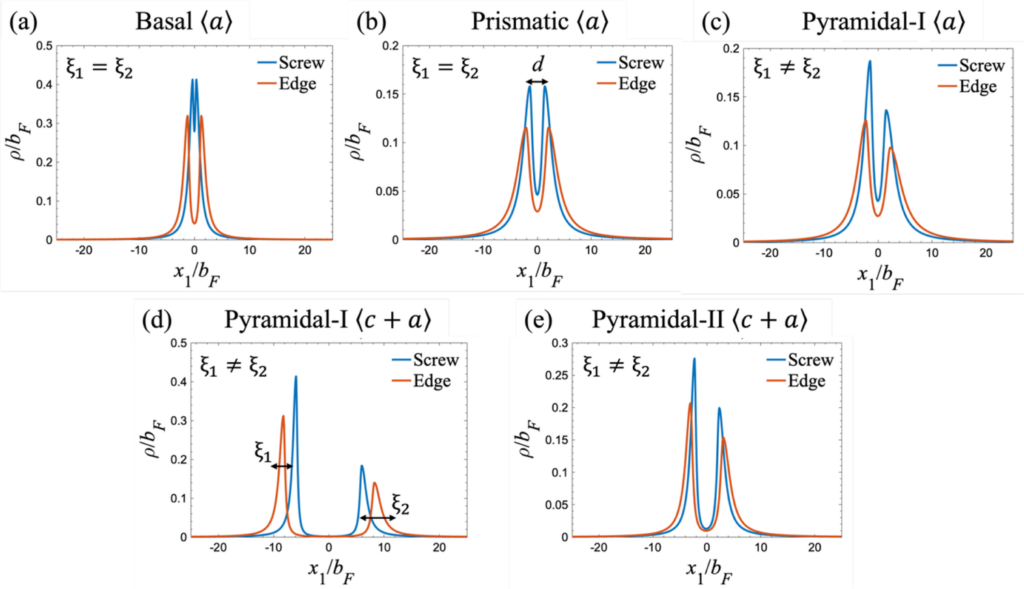
- multiscale modeling of plastic deformation mechanics in metallic materials, including pure metals, alloys and high-entropy alloys;
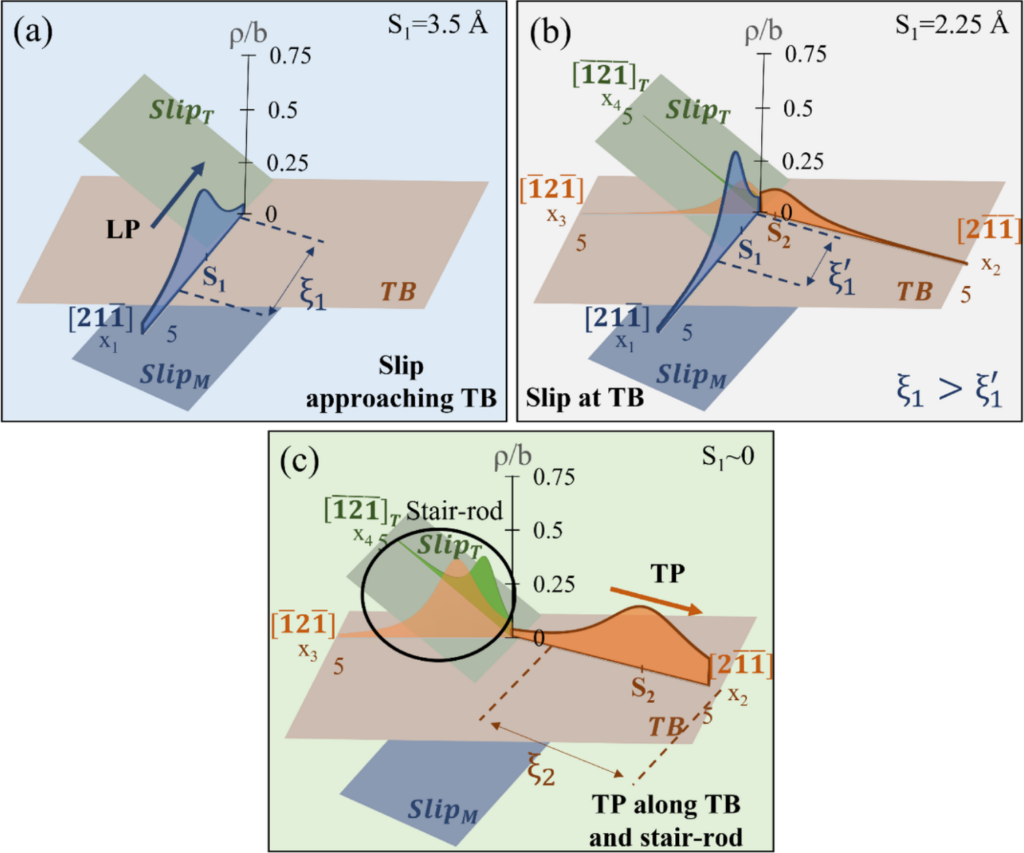
- first-principles modeling of crystal defects — point and line defects such as vacancies and dislocations, and twin boundaries.
Methods
First-principles calculations
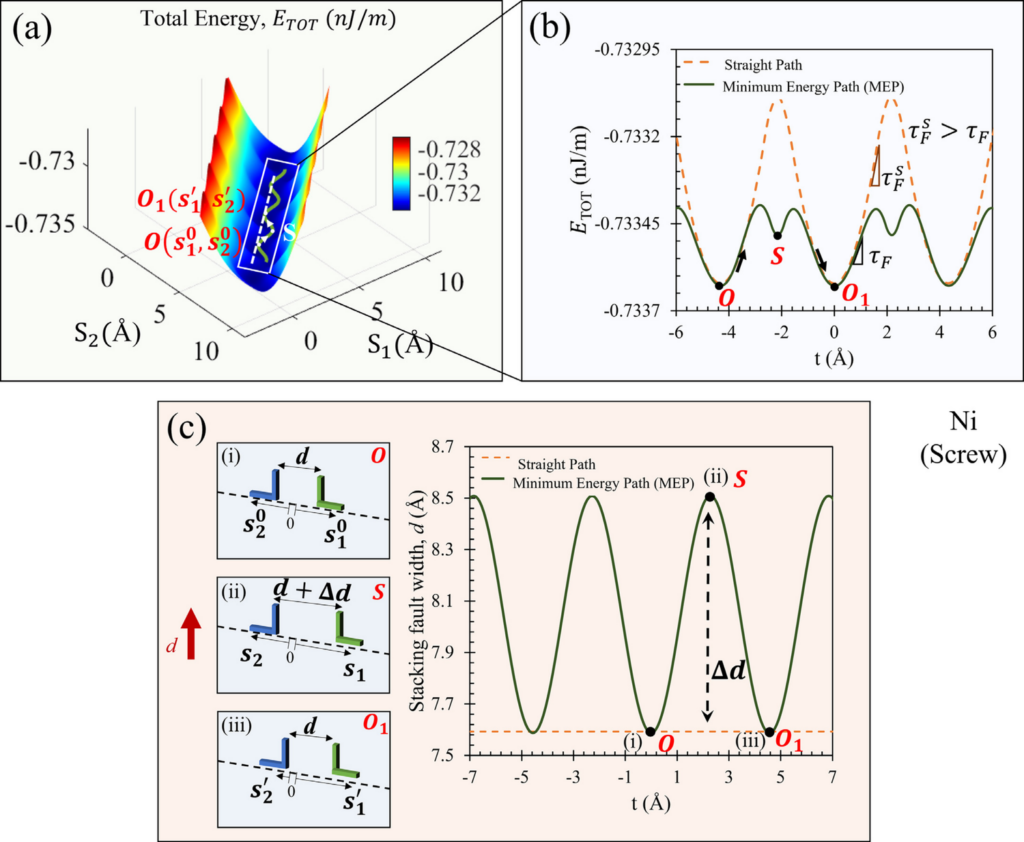
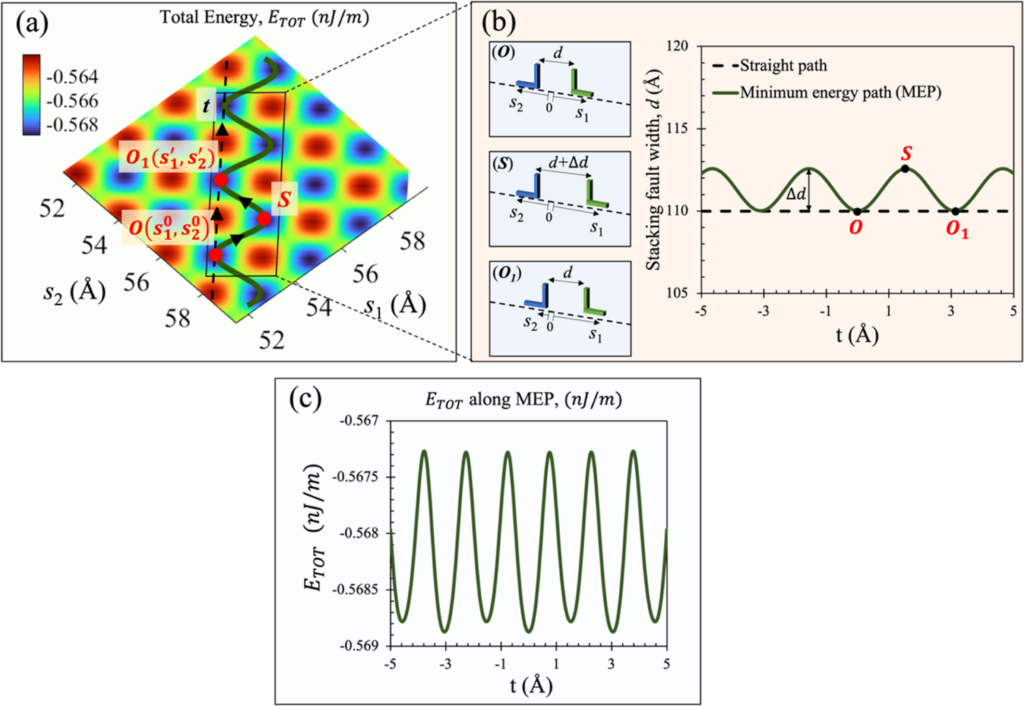
Density functional theory is used to obtain the energetic quantities that govern defect behaviour in metals — generalized stacking fault energies, elastic constants, and solute–defect interaction energies — which then serve as input to larger-scale models.
Atomistic simulation
Molecular statics and molecular dynamics are employed to resolve dislocation core structures and their evolution, connecting electronic-structure quantities to the lattice resistance that governs slip.
Machine learning and physics-informed models
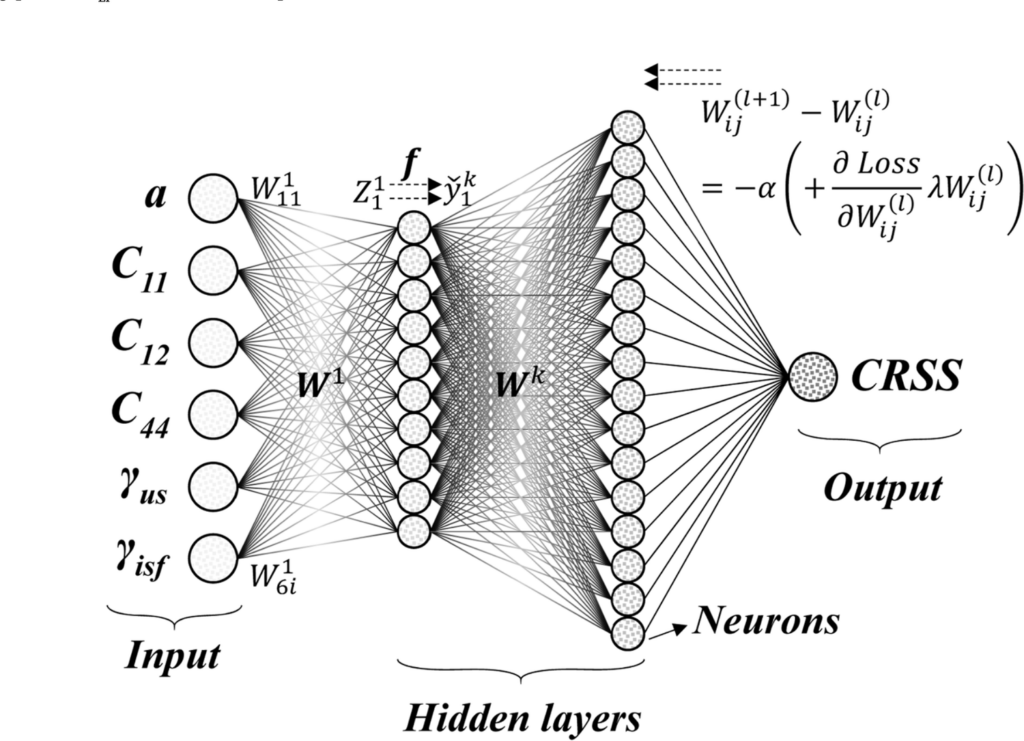
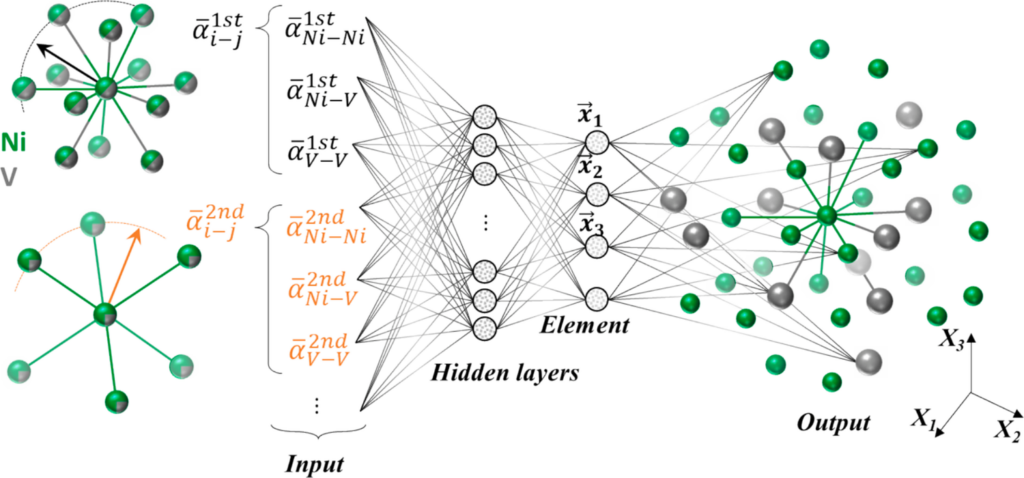
Neural-network surrogates and physics-informed neural networks are used to extract structure–property relations in materials, so that properties can be screened across composition space and inverse-design problems can be posed.
Multiscale modeling of plasticity
Quantities determined at the atomic scale are carried into continuum descriptions of plastic deformation, linking defect-level physics to the mechanical response of pure metals, alloys and high-entropy alloys.
Selected publications